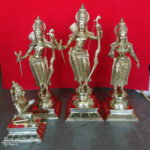



Panchalohalu

Pembarthy: The Ancient Village Behind India’s Finest Temple Metal Art

Sri Sumukha Panchalohalu - Pembarthy Panchaloha Metal works

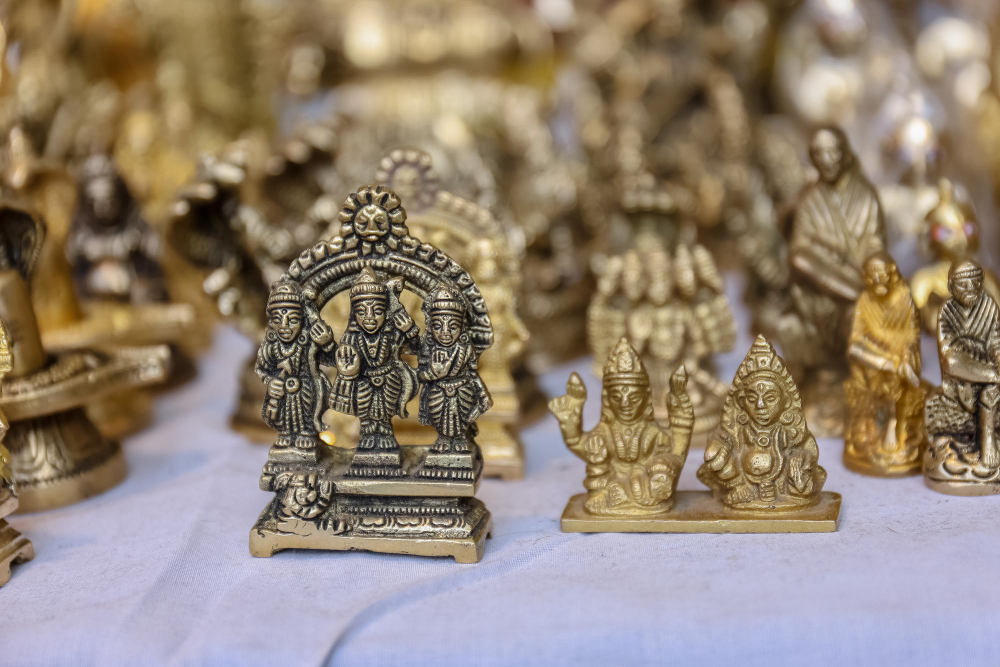
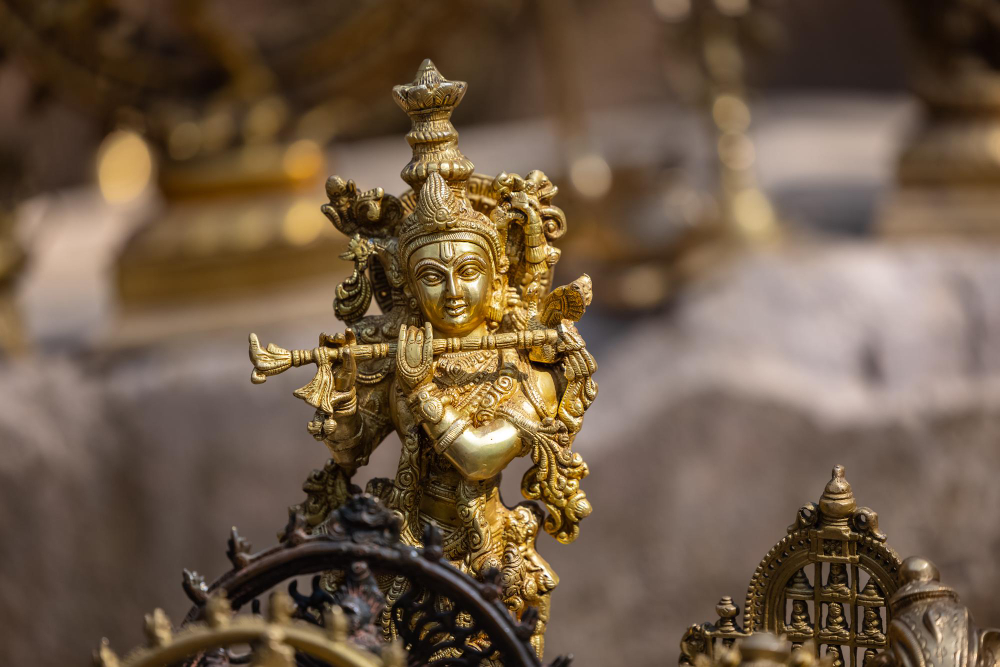
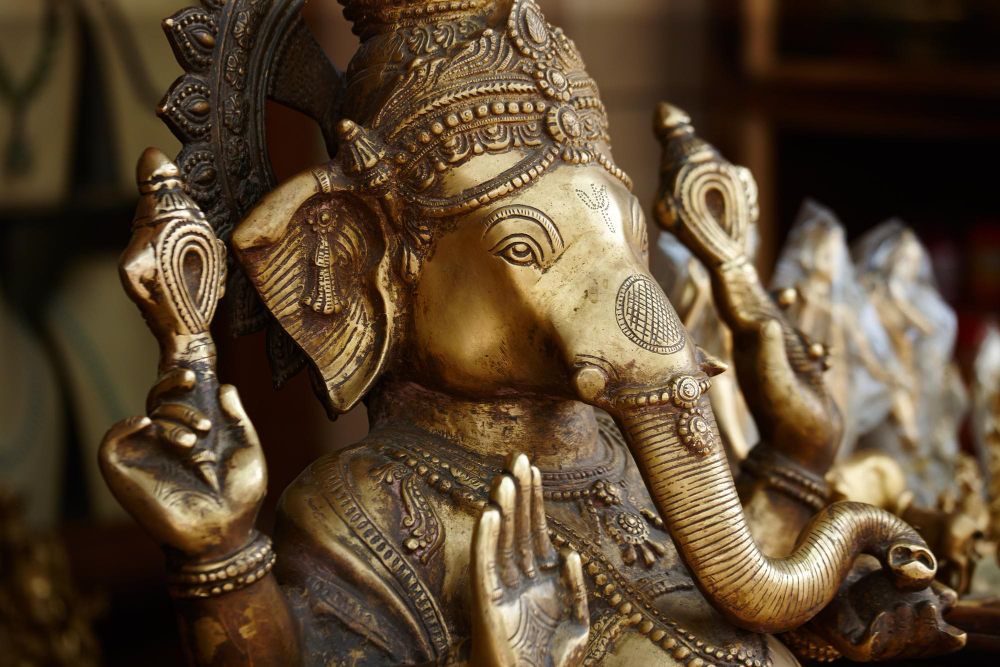
Hidden in the cultural heartland of Telangana lies Pembarthy, a village whose name is etched into India’s artistic and spiritual history. For centuries, Pembarthy has been the cradle of exquisite temple metal art—an enduring symbol of devotion, discipline, and generational mastery. The gleaming brass doors, intricate idols, and sacred ornaments seen in historic temples across South India often trace their origin back to this unassuming village.

Roots That Run Deep Into History

Pembarthy’s legacy dates back several hundred years, flourishing under royal patronage during the Kakatiya and later dynasties. Temple architecture in South India demanded metal art that was not just decorative but spiritually aligned with Agama Shastras. Pembarthy artisans rose to this challenge, perfecting techniques that combined metallurgy, iconography, and sacred geometry.

Massive temple doors, embossed with divine stories and cosmic symbols, became a hallmark of Pembarthy craftsmanship. These were not mere installations—they were considered gateways between the mortal and the divine.

A Living Tradition of Temple Metal Craft

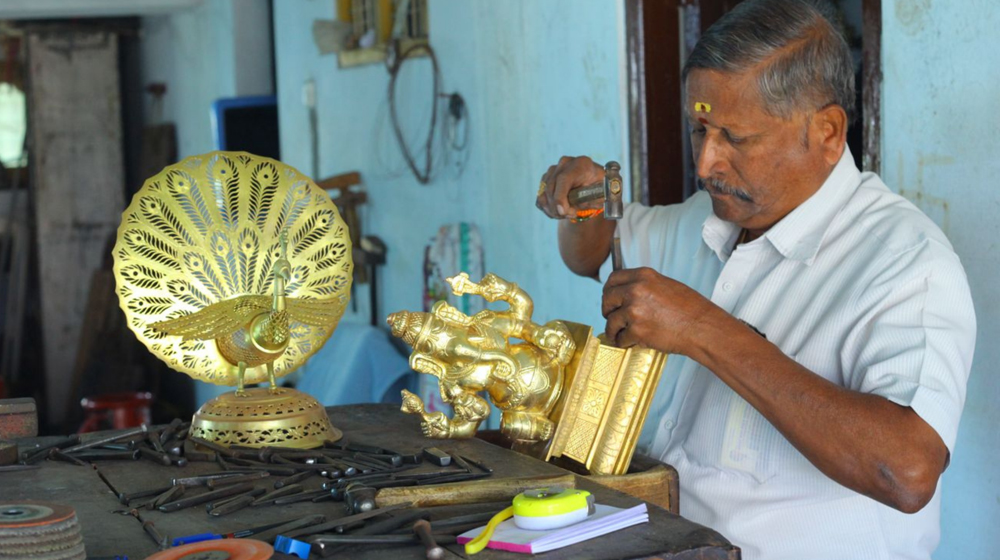
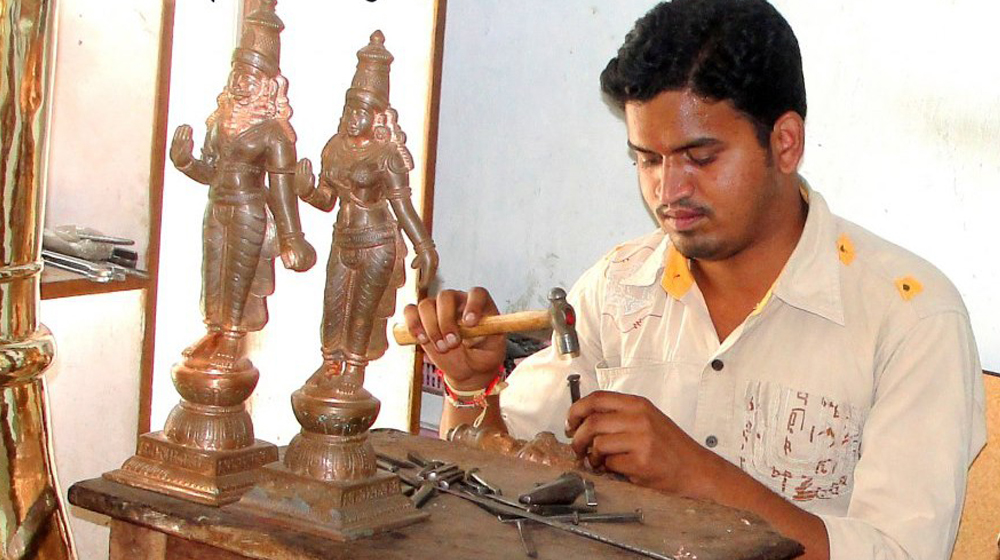
What sets Pembarthy apart is the continuity of knowledge. Skills are not learned from textbooks but passed down from father to son, mother to daughter, across generations. Each family specializes in specific aspects of the craft—casting, engraving, repoussé work, or finishing—creating a deeply collaborative ecosystem of artisans.

Traditional methods such as:

  • Hand-hammering brass sheets

  • Lost-wax casting

  • Natural alloy preparation

  • Manual embossing without machines

are still practiced today, preserving the authenticity that modern mass production cannot replicate.

Spiritual Precision Over Speed

Pembarthy artisans do not work on speed—they work on shuddhi (purity) and vidhi (scriptural correctness). Every idol or temple component is crafted following strict proportions, mudras, and measurements defined in ancient texts. Ritual purity, intention, and devotion are considered as important as technical skill.

This is why Pembarthy metal art is especially revered for:

  • Temple doors and dwara palaka panels

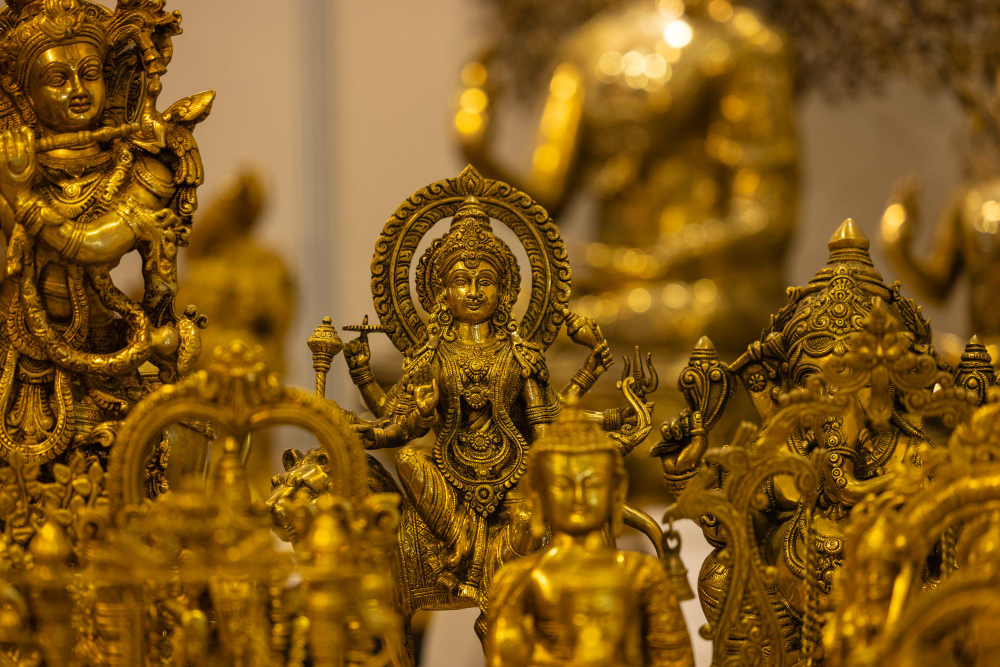
  • Panchaloha and brass idols

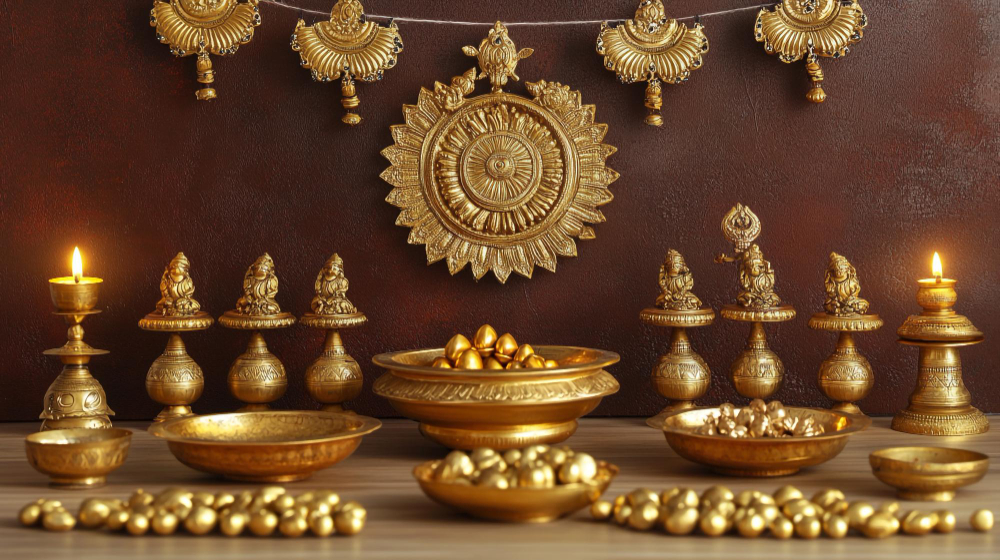
  • Temple bells, lamps, and kalashams

  • Sacred yantras and ritual accessories

Recognition Beyond the Village

Though rooted in tradition, Pembarthy’s art has earned national recognition. The craft has received Geographical Indication (GI) status, acknowledging its unique origin and cultural value. Pembarthy works have found homes in renowned temples, heritage projects, museums, and even international collections.

Yet, despite global appreciation, the artisans remain deeply grounded—working from modest workshops, guided by ancestral wisdom.

Generations of Artisans, One Shared Soul

In Pembarthy, metal art is not a profession—it is an identity. Children grow up watching molten metal being poured, listening to the rhythmic hammering that echoes through narrow lanes. Elders serve as living libraries of technique and tradition, ensuring that no knowledge is lost.

Each finished piece carries:

  • The patience of weeks or months of labor

  • The legacy of countless ancestors

  • A spiritual intent meant to endure for centuries

Preserving a Timeless Legacy

In an age of automation, Pembarthy stands as a reminder that true craftsmanship cannot be rushed or replicated by machines. Supporting Pembarthy artisans means preserving a living heritage—one that connects art, faith, and community.

Pembarthy is not just a village.
It is a testament to India’s enduring artistic soul.

Leave a Reply

Your email address will not be published. Required fields are marked *