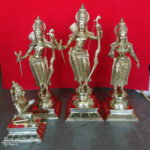



Panchalohalu

Role of Panchalohalu Idols in Temple Pratishta & Daily Rituals

Sri Sumukha Panchalohalu - Pembarthy Panchaloha Metal works

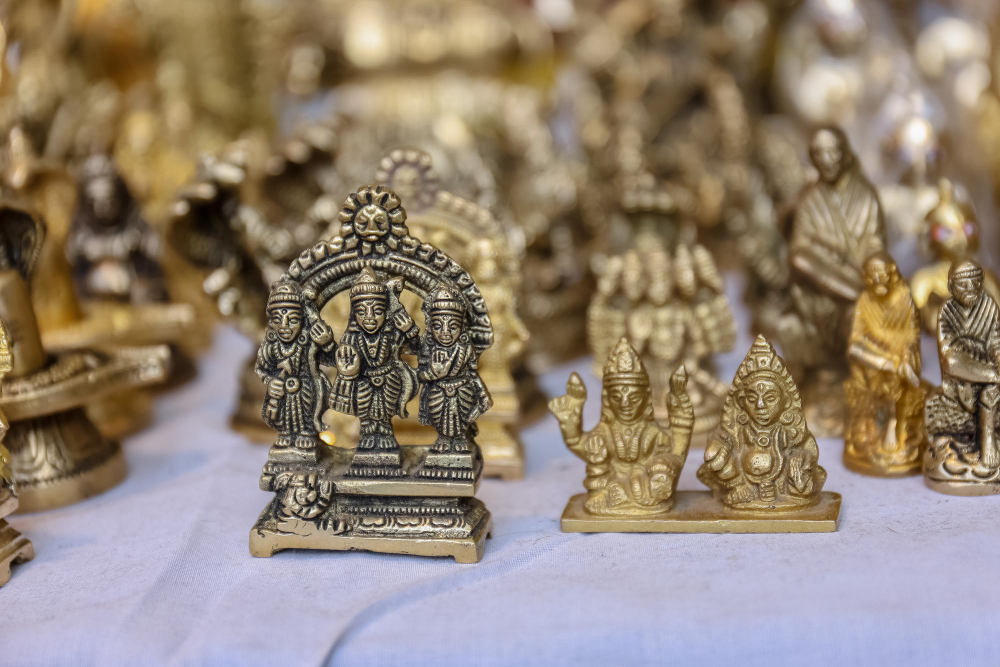
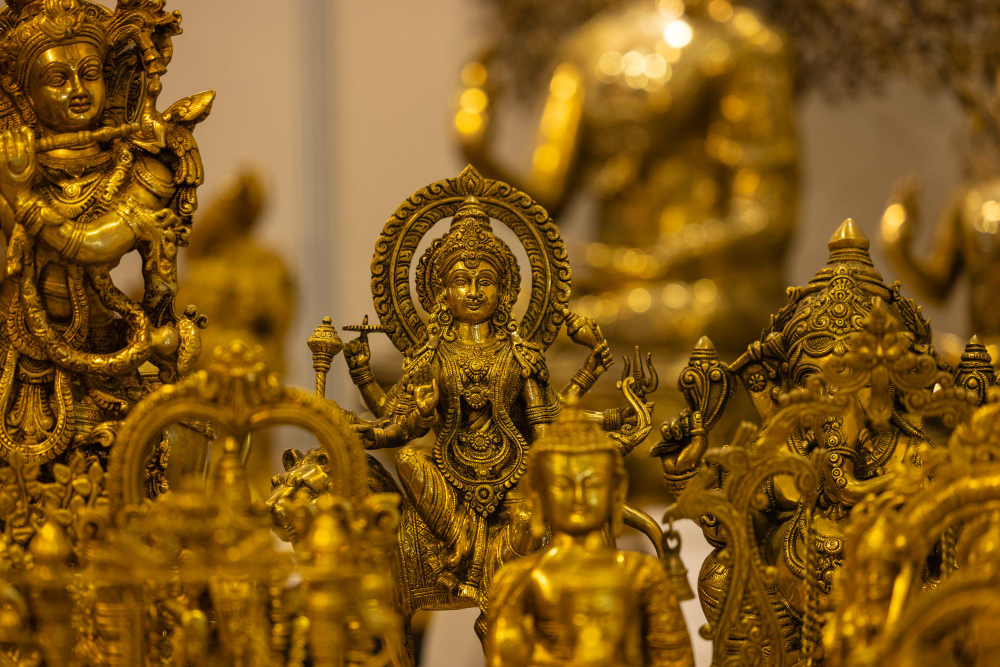
In Hindu temple tradition, an idol is not viewed as an artistic object—it is a divine presence. For this reason, Panchalohalu (Panchaloha) idols hold a central role in temple pratishta (consecration) and daily rituals. Their importance is deeply rooted in Agama Shastras, ritual science, and centuries of sacred practice.

Why Panchalohalu Is Preferred for Temple Deities

Panchalohalu is a sacred alloy of five metals—gold, silver, copper, zinc, and iron—combined in precise proportions defined by shastric texts. This composition is believed to:

  • Balance the five cosmic elements (Pancha Bhootas)

  • Retain spiritual energy after consecration

  • Withstand daily abhishekam, alankaram, and ritual handling

  • Remain chemically and spiritually stable for generations

Because of these qualities, Panchalohalu idols are considered ritually compliant for temple installation.

Panchalohalu Idols in Temple Pratishta (Consecration)

Pratishta is the sacred process by which divine energy is invoked into an idol, transforming it from a crafted form into a living deity (Archa Murti). Panchalohalu idols are ideally suited for this process due to their conductive and symbolic properties.

During pratishta:

  • The idol must conform exactly to Agama-prescribed measurements (tala, angula)

  • Mudras, posture, and facial expressions must align with deity-specific texts

  • The metal composition must be pure and uninterrupted

  • Rituals such as Netronmeelanam and Prana Pratishta are performed

Only idols that meet these strict conditions are accepted for temple worship.

Compliance with Agama Shastra

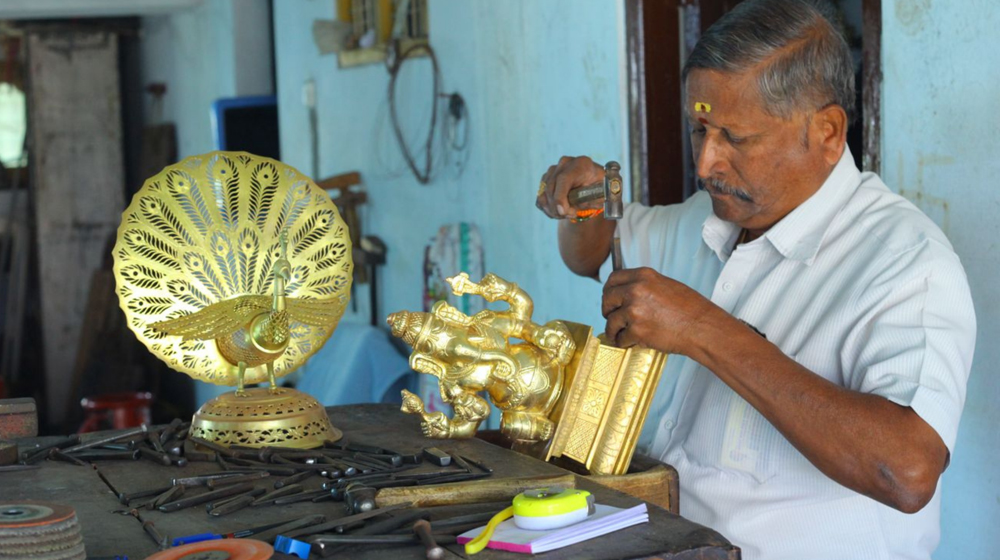
Agama Shastras govern every aspect of temple construction and worship. Panchalohalu idols are favored because they allow artisans to achieve scriptural precision in form and proportion.

Key compliance factors include:

  • Accurate iconography and symbolism

  • Proper alignment of chakras and energy points

  • Compatibility with Vedic and Agamic rituals

  • Suitability for long-term ritual use

Any deviation—whether in alloy, form, or finish—can render an idol unsuitable for temple rituals.

Role in Daily Temple Rituals (Nitya Karmas)

Once consecrated, Panchalohalu idols become the focal point of daily temple worship, which includes:

  • Abhishekam (ritual bathing with water, milk, honey, etc.)

  • Alankaram (adorning with clothes, flowers, and ornaments)

  • Deepa aradhana and naivedyam

  • Utsava seva during festivals

Panchalohalu’s durability and purity allow these rituals to be performed daily without compromising the idol’s integrity or sanctity.

Utsava Murtis and Processional Worship

Most temples use Panchalohalu idols as Utsava Murtis—deities taken out in processions during festivals. The alloy’s strength and manageable weight make it ideal for:

  • Frequent handling by priests

  • Movement across temple premises

  • Repeated ceremonial use

This ensures ritual continuity while maintaining shastric compliance.

Spiritual Continuity Across Generations

A properly crafted Panchalohalu idol is designed to serve not just the present generation but many to come. Temples often retain the same consecrated idol for centuries, reinforcing the importance of choosing a material that can spiritually and physically endure time.

Each Panchalohalu idol represents:

  • Faith anchored in scripture

  • Craftsmanship aligned with devotion

  • Ritual purity preserved over lifetimes


Sacred Craft, Sacred Responsibility

The role of Panchalohalu idols in temples goes beyond tradition—it is a sacred responsibility. From pratishta to daily rituals, these idols uphold the spiritual rhythm of temple life, ensuring that worship remains authentic, compliant, and divinely connected.

In temples, purity is not optional.
And Panchalohalu remains the gold standard of sacred compliance.

Leave a Reply

Your email address will not be published. Required fields are marked *